Lathyrus - The Everlasting Sweet Pea
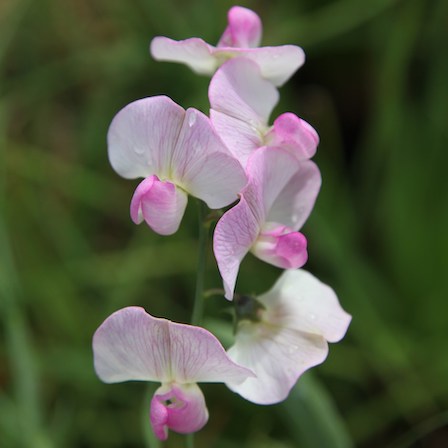
What is a lathyrus plant? We all know and love the beautiful annual sweet pea for its gorgeously fragrant, delicate flowers. It is the epitome of the romantic cottage garden.
But did you know that there is an everlasting, or perennial, variety?
A Lovely Climber for Pergola Posts
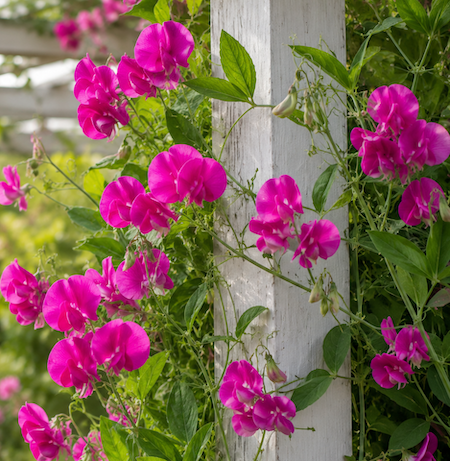
The everlasting sweet pea is a relatively short climber, making it ideal for growing up the posts of a pergola. Its pretty flowers can soften the timber and bring a lovely cottage-garden feel to the structure. At around six feet tall, though, it is unlikely to grow right over the top of your pergola, so it is best used to decorate the posts rather than cover the whole structure.
If you are thinking of building your own pergola, you may like to take a look at my free pergola plans, which can be adapted to suit your garden and will be a lovely support for your lathyrus.
The Lathyrus Family
In fact, all the sweet peas are from the lathyrus family, but this name is most widely used for the everlasting variety.
It has the same delicate form as the annual variety and, because it is a perennial, the stems just need cutting down in the spring, and it will appear next year!
The colour range is limited compared to the annual sweet pea, but it can be combined effectively with other climbers to enhance both.
It is a wonderful plant to grow up pergola posts or trellis, and against walls.
Here are the three main varieties:
 |
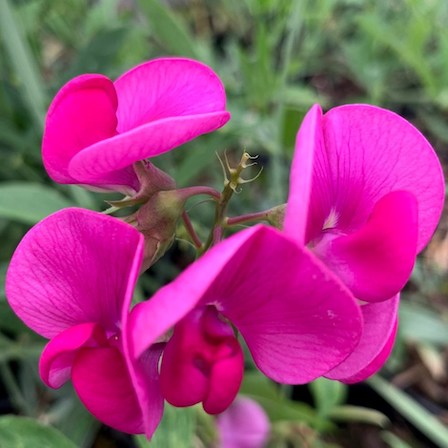 |
The first is the pale pink variety 'Rosa Perle'. Then we have the deeper pink flowers of 'Red Pearl'. And last, but not least, is the beautiful pure white variety 'White Pearl'.
All are very delicate and beautifully formed, making lovely climbing plants and cut flowers.
Planting Combinations
The blooms look lovely with anything deep or pale pink, white, pale and deep purple, or lilac, giving a truly romantic cottage garden feel. Not only that, they are easy to grow, which is always a bonus.
See other climbers that go well with these, where you can explore different varieties, colours, forms, height, growing habit, placement and care.
I would recommend the deep purple or deep pink clematis, solanum (for a sheltered, sunny position), and deep or pale pink roses.
When you are choosing other climbing plants, make sure that they flower at the same time. The everlasting sweet pea flowers between June and September and so it gives quite a large scope in terms of planting combinations.
Here are a few ideas for climbers that go well with this lovely plant.
Given free reign, it is a vigorous climber that will grow to about six feet tall. Pinching out the growing tips will give a bushier plant.
Not only are these sweet peas fully hardy, coming back year after year, they are also very easy to propogate from the seeds produced after flowering. Grow another plant in a different part of the garden, or share the seeds with friends!
Where To Plant Your Everlasting Sweet Pea
Lathyrus likes a sunny position where it can enjoy plenty of light, although a little light shade will not usually be a problem. Give it good, fertile soil that drains reasonably well, as it doesn't enjoy sitting in wet soil. If you can prepare the planting area with some well-rotted compost or garden compost, it will get off to a good start.
Giving It Something To Climb Up
Although the everlasting sweet pea is not one of the tallest climbers, it does need something to scramble up. A pergola post, trellis, obelisk or simple framework will all work well. When you first plant it, gently guide the young stems towards their support. Once it gets going, it should find its own way upwards.
Unlike some of the more vigorous climbers, Lathyrus won't quickly overwhelm everything around it, which makes it particularly useful where you want flowers without having a mass of growth to control.
Watering and Feeding
Keep newly planted Lathyrus watered during dry spells while it is becoming established. Once it has settled in, it should need much less attention, particularly if the soil holds some moisture. A mulch of compost around the base in spring can help retain moisture and provide a gentle supply of nutrients as the plant grows.
You don't need to overfeed it. Too much rich fertiliser can encourage plenty of leafy growth when what we really want are those beautiful flowers.
Looking Forward to Next Year
One of the advantages of the everlasting sweet pea is that it comes back year after year. Once flowering has finished, you can cut the old growth back and tidy the plant. It may look rather insignificant for a while, but underground it is simply resting before producing fresh growth the following year.
This is one of those plants that becomes more rewarding as the years go by. Once you have found a good position for it and given it something suitable to climb, it can quietly become a permanent and very pretty part of the garden.
Recent Articles


-
DIY Pergola Pictures: Real Pergolas Built From The Plans
Sep 08, 26 04:07 AM
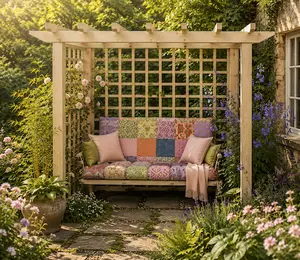 Real people, real gardens, real results. See how people have 'styled it out' and built their own DIY pergolas from the plans.
 -
Fantastic Pergola Offers
Sep 06, 26 08:21 AM
 Exploring fantastic pergola offers, garden bargains and exclusive voucher codes can mean big savings and there are some great ones this month! Take a look.....
 -
Pergola Columns
Aug 24, 26 08:55 AM
 Classical stone pergola columns can transform a garden into something truly special. Find ideas and where to buy them here...
 Subscribe To My Blog Posts


Advertising Links
This page may contain advertising links earning a small commission, at no extra cost to you. It is my hope these links will help you to make informed and creative choices.
Love Gardening! Ezine
Join the 'Love Gardening!' Ezine and receive garden and landscaping tips, exclusive voucher codes and updates to the website. More...
Recently Released
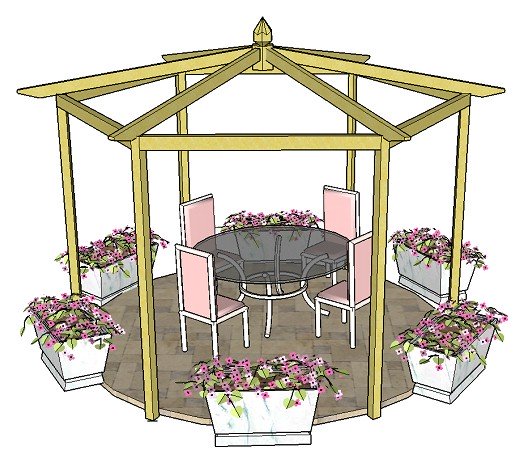
Pitched Roof Hexagonal Pergola
Other
Pergola Plans
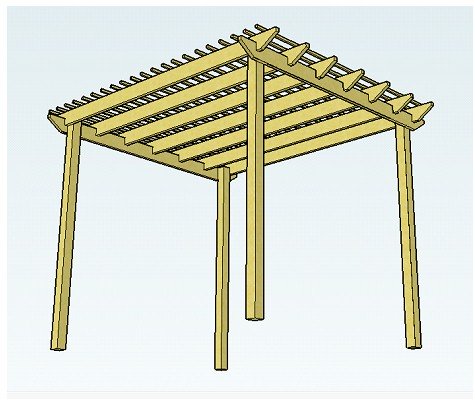
Free Simple Pergola Plans

Attached Lean-to Pergola
Free Raised Bed Plans

Corner Pergola

Hexagonal Pergola

Asian Pergola
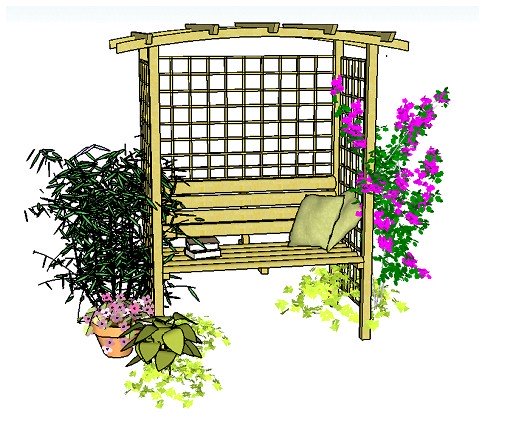
Seated Arbour
"The plans were great, very concise,ouldn't have managed without them!" T.
“Well done for a really useful site!” Mike.
Love the templates for the Rafter Tails! Using Design #5. Thanks so much." Laura.
"I love your website! Your entire site is incredible. I was able to get ideas for my pergola, which looks fantastic." Wayne.
Great service. Now all I have to do is build it! Martin.
"Your plans look amazingly comprehensive. I see you are intending putting the plans for the corner pergola on this fabulous site. Could you please tell me when the corner pergola plans will be available to purchase...yours is the nicest design I have seen!" Michelle.
Plants and Seed Offers
Pergola Kit and Accessories Offers
£340 off


Sales & Offers
Beautiful 'Gainsborough' gazebo
Save £204!
See my 'Fantastic Offers' page for more bargains on pergola kits, tools and all things gardening!