Solanum: The Potato Vine
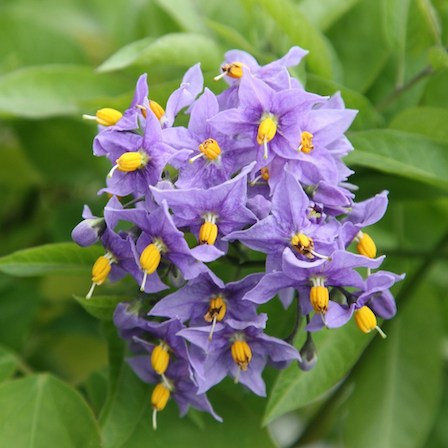
I just love the the profusely flowering blooms of the wonderful, purple solanum. It really earns its place in the garden.
Being fairly vigorous, it can cover a garden feature very quickly if left to its own devises, and will clamber over walls and pergolas to give the most gorgeous display.
Grow it as a stand-alone feature plant, or combined with other wonderful climbers for a dramatic impact.
Unusual Climbers
Solanum, or the potato vine (as it's often called), is actually part of the potato family! It hasn't been seen too often, mainly due to the fact that it isn't fully hardy. However, with our milder winters in recent years, it is becoming much more popular and can be found in most garden centres nowadays.
And what a stunner it is, with its striking yellow stamens against purple flowers. It's a real joy to have in the garden!
Or there is a white variety which goes well with many other climbing plants.
Like the passion flower, to survive the winter, it needs to be grown over a sunny, south or west facing structure. A wall, pergola, trellis or fence is ideal because of the protection it affords against cold, damp, and frost.
Take a look at this wonderful climber: Solanum
Grouping with Other Climbers
Climbing plants really make an impression when grouped with other varieties. Planted together, they definitely have the 'Wow!' factor.
Take a look below to explore the range of varieties that you can choose from in order to make your garden structure a truly wonderful display.
You will find a white variety here, which is also a lovely specimen plant.
The most effective plants to grow in combination with your solanum are deep and pale pinks, with violet and dark purples.
Let's look at the range of varieties that you might include to make your display really stunning.
Firstly, we have the deep pink roses, such as this beautiful variety 'Parade'. Other climbing roses that would do nicely are the highly fragrant varieties 'Zephirine Drouhin' and 'Aloha'.

Then there are the pale pink climbing roses, which also work well. 'New Dawn' has gorgeous, large, pale pink blooms, and you could also team up with the pale pink ramblers.
Next, we have the clematis varieties, which come in very deep purple, such as the 'Jackmanii' varieties, 'Romantika' and 'Victor Hugo'. These really offset the lighter purple flowers.
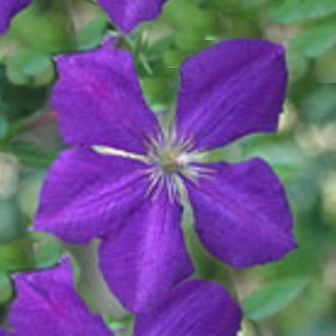
The carmine pink flowers of 'Ville De Lyon' also looks good, too.
Add border planting in the form of tall and short perennials, as well as lower growing ground cover. Here are some ideas.
Deep pink valarian looks great with anything purple...

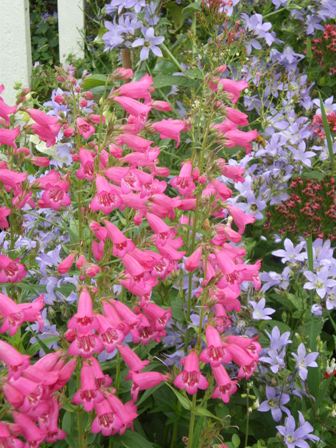
...as do the many beautiful varieties of penstemon that can be found.
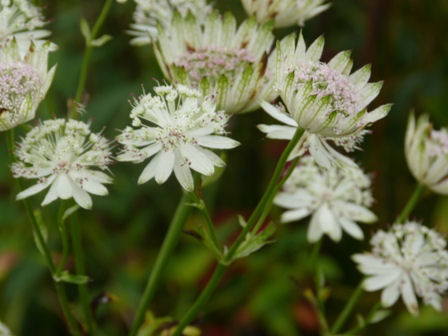
This cream astrantia (much admired in my garden) provides a lighter contrast to the purple flowers.
Or underplant with the delicate perfection of the pale pink osteospermum, which also goes with anything purple, deep pink or cream.

You could also try for zingy-green hostas and heuchera to make all the colours really stand out. The bright green, pink and purple flowers look great together!
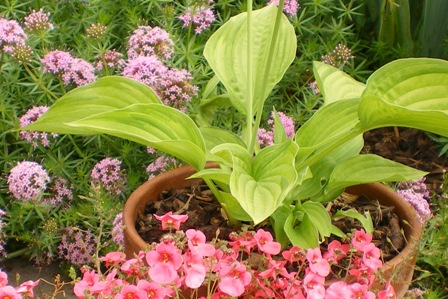
Or, if you're very brave, for maximum impact, plant your solanum with a yellow or orange rose to highlight the vibrantly-coloured stamens!
Pruning Your Solanum
All you need to do is cut out overcrowded growth in spring. On established plants cut back unwanted stems to 2-3 buds from base. If your plant becomes overgrown cut out 1 in 3 stems each year.
I hope these ideas have inspired you to have a go at growing this fabulous climbing plant yourself. Just remember to give it the protection it needs and I'm sure it will thrive happily in your garden and give a wonderful display.
Find more help with pruning:
Pruning and Training

Recent Articles


-
Garden Furniture Products
Apr 24, 24 11:23 AM
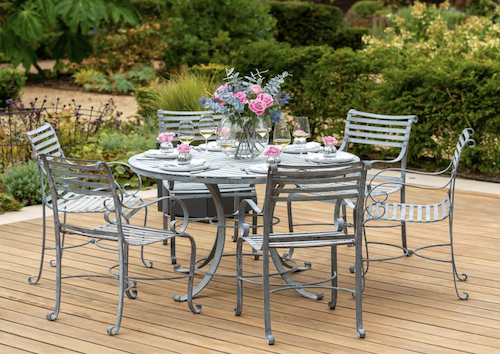 Cool and contemporary or fun and funky. Ideas for using garden furniture products to enhance your outdoor living space.
 -
Fantastic Pergola Offers
Mar 06, 24 08:47 AM
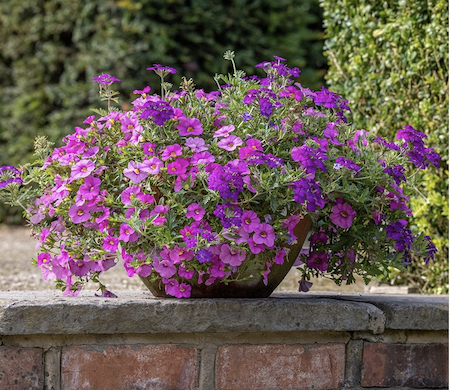 Here are the latest updated garden bargains and voucher codes. Finding fantastic pergola offers and gardening discounts can mean big savings!
 -
Pergola Swing Bench
Feb 17, 24 08:17 AM
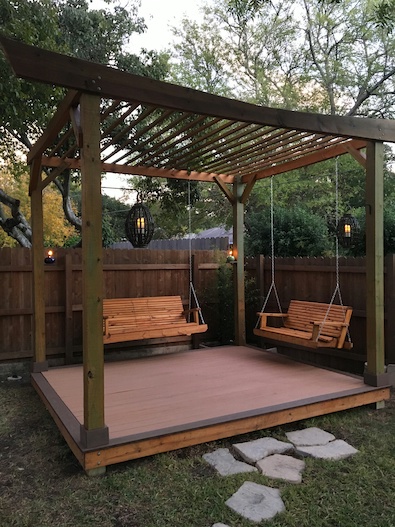 Brian asked how to build an hexagonal pergola with a swing bench. Any pergola style can have a cosy and romantic hanging bench adorning its rafters. Get ideas here....
 Subscribe To My Blog Posts


Advertising Links
This page may contain advertising links earning a small commission, at no cost to you. It is my hope these links will help you to make informed and creative choices.
Love Gardening! Ezine
Join the 'Love Gardening!' Ezine and receive garden and landscaping tips, exclusive voucher codes and updates to the website. More...
Recently Released
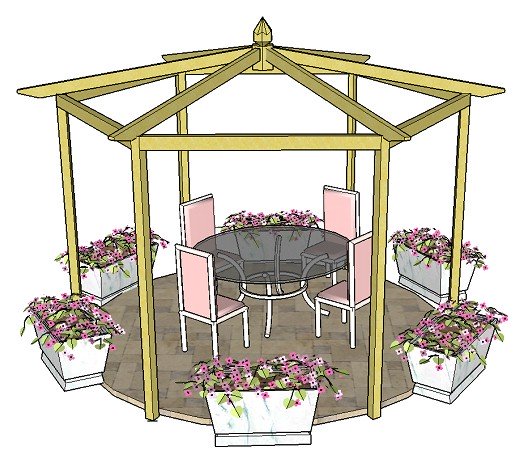
Pitched Roof Hexagonal Pergola
Other
Pergola Plans
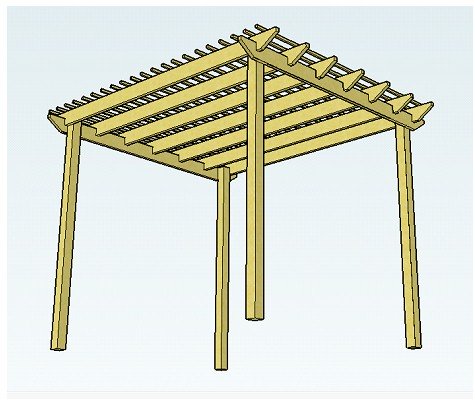
Free Simple Pergola Plans

Attached Lean-to Pergola
Free Raised Bed Plans

Corner Pergola

Hexagonal Pergola

Asian Pergola
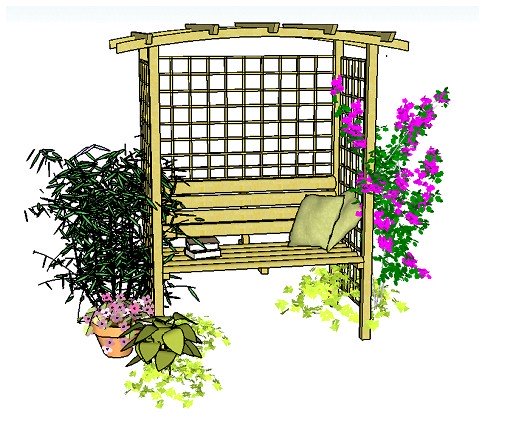
Seated Arbour
"The plans were great, very concise, easy to follow and I couldn't have managed without them!" T.
“Well done for a really useful site!” Mike.
Love the templates for the Rafter Tails! Using Design #5. Thanks so much." Laura.
"I love your website! Your entire site is incredible. I was able to get ideas for my pergola, which looks fantastic." Wayne.
Great service. Now all I have to do is build it! Martin.
"Your plans look amazingly comprehensive. I see you are intending putting the plans for the corner pergola on this fabulous site. Could you please tell me when the corner pergola plans will be available to purchase...yours is the nicest design I have seen!" Michelle.
Plants and Seeds
Pergola Kits and Accessories


Grow Your Own
Sales & Offers
Beautiful 'Gainsborough' gazebo
Save £204!


See the 'Fantastic Offers' page for more bargains on pergola kits, tools and all things gardening!